Building Games vs. Life Simulation Games: Which Style Will Shape Your Next Adventure?
In the expansive realm of video games, two genres tend to capture the hearts and minds of players around the world: building games and life simulation games. Both styles offer unique experiences and opportunities for creativity, but as a gamer, which adventure will you embrace? Whether you’re dreaming of designing the next city in your favorite building game or crafting the life of your digital avatar in a simulation game, this article delves into the richness of both genres. We’ll also touch on interesting examples like Clash of Clans level 8 base strategies and fun references like couch potato Pokémon Go.
The Essence of Building Games
Building games are a delight for those who relish structural creativity. These games allow players to construct and manage virtual worlds, from bustling cities to homely settlements. With popular titles like SimCity and Minecraft, the appeal lies in the freedom to create, govern, and expand.
- Player Agency: Players have control over every detail, deciding where to place structures, how to resource-manage, and which aesthetic style to pursue.
- Strategic Planning: Each decision affects the viability and growth of the community in question.
- Community Interaction: Many building games now incorporate online features allowing players to connect, collaborate, or compete.
The Charm of Life Simulation Games
Life simulation games mirror our real-world experiences in captivating ways. Players create and manage the lives of their characters, overseeing everything from their career choices to social interactions. Titles like The Sims dominate this genre, allowing for limitless storytelling and life-building.
- Character Customization: Players craft their characters' stories, personalities, and relationships.
- Life Management: Much like in reality, managing time, careers, and relationships becomes an integral gameplay element.
- Exploration of Themes: Life simulation games often explore deeper themes of companionship, ambition, and the balance of life’s priorities.
Popular Building Games You Should Try
| Game Title | Platform(s) | Key Features |
|---|---|---|
| Minecraft | PC, Console, Mobile | Open-world, Survival, Creative modes |
| SimCity | PC | City planning, Economic simulation |
| Factorio | PC | Automation, Resource management |
Engaging Life Simulation Games Worth Playing
| Game Title | Platform(s) | Key Features |
|---|---|---|
| The Sims 4 | PC, Console | Real-life simulation, Character development |
| Stardew Valley | PC, Console, Mobile | Agriculture, Community life |
| Animal Crossing | Switch | Open-ended gameplay, Community building |
Common Themes in Both Genres
Building games and life simulation games, although distinct, share several underlying themes:
- Creativity: Both genres encourage players to express their creativity.
- Community Engagement: Building relationships, whether with NPCs or other players, is integral.
- Progression: A sense of growth, whether by expanding a city or growing a character’s skills, is vital.
What Makes Building Games So Addictive?
The addictiveness of building games is rooted in their ability to engage players in a profound way:
- They provide a hands-on experience where players see the direct results of their efforts.
- There’s a tangible sense of achievement as players watch their creations grow.
- The challenge of strategic resource management keeps players on their toes.
The Allure of Life Simulation Games: Why Do Players Love Them?
Life simulation games pull players into their worlds for various reasons:
- Escapism: They offer an escape from reality into a fantastical world where players can live out dreams.
- Social Connection: Engaging with characters and making friends offers emotional fulfillment.
- Life Experiences: Players can explore scenarios they might not encounter in real life.
Comparative Analysis of Both Genres
| Aspect | Building Games | Life Simulation Games |
|---|---|---|
| Core Mechanic | Building and managing | Simulation and life management |
| Player Control | High control over environment | High control over character |
| Storytelling | Player-driven narrative | Character-driven narrative |
Interesting Features: Clash of Clans Level 8 Base
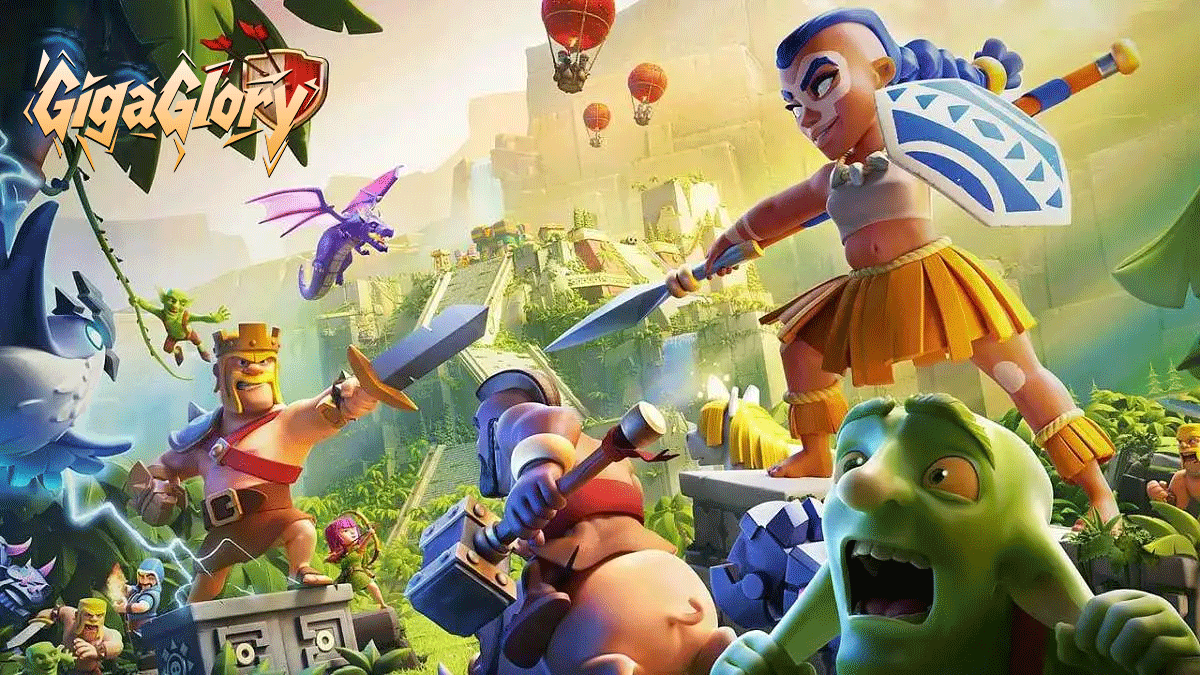
In discussing building games, we can’t forget about Clash of Clans. Specifically, reaching a level 8 base opens up a plethora of tactical options. Players can experiment with:
- Base layout strategies to fortify defenses.
- Resource management focusing on elixir and gold.
- Engagement with clan mates for enhanced gameplay experience.
Data on Game Preferences Among Players
| Game Genre | Player Interest Level (1-10) |
|---|---|
| Building Games | 8.5 |
| Life Simulation Games | 9.0 |
What to Expect in Future Game Developments
The gaming industry is continually evolving, and both building and life simulation games are changing with it. Let’s explore anticipated trends:
- Integration of Real-World Data: Expect games to begin using real-world data to create dynamic environments.
- Enhanced Multiplayer Experiences: More cooperative elements are likely to enhance community gameplay.
- Improved AI: Characters will exhibit more realistic behaviors, enhancing gaming depth.
Conclusion: Which Adventure Will You Choose?
In the end, whether you’re drawn to the meticulous planning of building games or the engaging storytelling of life simulation games, both genres have a unique charm that can shape your gaming experience. Players seeking to unleash their creativity might find comfort in the realm of building games like Minecraft, while those who wish to engage in deeper social interactions may prefer life simulations like The Sims 4. Ultimately, your choice might just depend on what kind of adventure you're looking for today.